Dog Guide to Little Village
Little Village is built around one of Chicago’s most recognizable neighborhood commercial streets.
26th Street is packed with restaurants, bakeries, grocers, clothing stores, street vendors and family-owned businesses and has been an economic and cultural center of Chicago’s Mexican American community for generations. But Little Village is much more than 26th Street. Turn onto the residential blocks and the pace changes. There are houses, schools, churches, parks, front yards and quieter routes where everyday dog life happens away from the busiest sidewalks. That contrast gives dog owners plenty of choices depending on how much activity their dog enjoys. A morning walk can stay on familiar residential streets, while a later outing might include the energy of 26th Street or one of the neighborhood’s larger parks.
For dog owners, that mix of busy commercial streets, residential blocks, parks and local pet resources gives Little Village more variety than someone passing through on 26th Street might realize.
26th Street Gives Every Walk Something to Look At
A confident city dog will never run out of stimulation along 26th Street. Food smells drift from restaurants and bakeries. Storefronts change block by block. Street vendors and shoppers keep sidewalks active. Murals, signs and the neighborhood’s Mexican identity make the corridor immediately recognizable.
For some dogs, that is great enrichment. For others, especially newly adopted dogs or dogs that are still learning to navigate crowds, 26th Street may be better in small doses. One of Little Village’s advantages is how quickly you can move from the commercial corridor onto calmer residential streets.
La Villita Park Has a Story That Belongs to This Neighborhood
La Villita Park at 2800 S. Sacramento Boulevard is more than 20 acres of green space created on a former industrial site. After years of environmental concerns and sustained neighborhood advocacy, the land was remediated and transformed into a park with a multi-use trail, athletic fields, community gardens, passive landscape areas and a playground. For dog owners, the trail and open park environment provide a good option for a longer leashed walk away from the activity of 26th Street.
Piotrowski Park Gives Western Little Village Another Anchor
Piotrowski Park at 31st Street and Keeler Avenue covers nearly 24 acres. The park has athletic fields, tennis courts, a playground and other recreational facilities and has served South Lawndale for generations. Including Piotrowski is important because Little Village is large enough that La Villita Park is not the everyday park for everyone. Residents closer to Pulaski and Keeler have a very different neighborhood routine from residents around Sacramento and California. Having substantial park space at more than one end of the area gives dog owners realistic choices based on where they actually live. It also makes it easier to change up a regular walking route without having to leave the neighborhood.
PAWS Chicago Has a Major Presence in Little Village
One of Chicago’s best-known animal welfare organizations has a major presence right on 26th Street. PAWS Chicago’s Kocourek Medical Center is located at 3516 W. 26th Street. The facility provides veterinary treatment and rehabilitation for homeless animals in PAWS Chicago’s care, including dogs and cats with significant medical needs. Its location puts a major Chicago animal welfare institution directly along Little Village’s best-known commercial corridor.
The same location is home to the PAWS Chicago Lurie Clinic, which provides spay/neuter surgery and preventive veterinary services for pets. Together, the Medical Center and Lurie Clinic give Little Village an important role in animal welfare that extends well beyond the neighborhood itself. People may know 26th Street first for its restaurants, bakeries and shops, but the same corridor is also home to facilities devoted to treating homeless animals and helping Chicago families care for their pets. For local dog owners, having PAWS right in the neighborhood is a significant pet resource.
Pet Supplies Are Part of the 26th Street Mix
Little Village’s commercial strength also extends to pet ownership. Chicago Pet Store & Supplies operates at 3115 W. 26th Street, putting pet supplies directly on the neighborhood’s main shopping corridor.
There are also local grooming and pet-service businesses scattered throughout Little Village, so basic dog care can often be handled close to home. That kind of practical infrastructure is important. A dog-friendly neighborhood is not just a place with a park. It is also a place where owners can buy food, get grooming done, find veterinary care nearby and integrate their dog into everyday errands.
The Residential Side of Little Village Matters Just as Much
It is easy for an outsider to drive down 26th Street and assume they have seen Little Village. Dog owners know better. Much of daily life takes place on the residential grid between the major streets. Those blocks are where people take the same morning route every day, recognize other neighborhood dogs and notice quickly when an unfamiliar dog is wandering loose. That familiarity is one reason neighborhood-level lost and found information can be useful.
CACC Dogs Found in Little Village
If your dog is missing in Little Village, check Chicago Animal Care and Control and contact the shelter right away if you recognize your pet. Reuniting a lost dog with the family searching for them comes first.
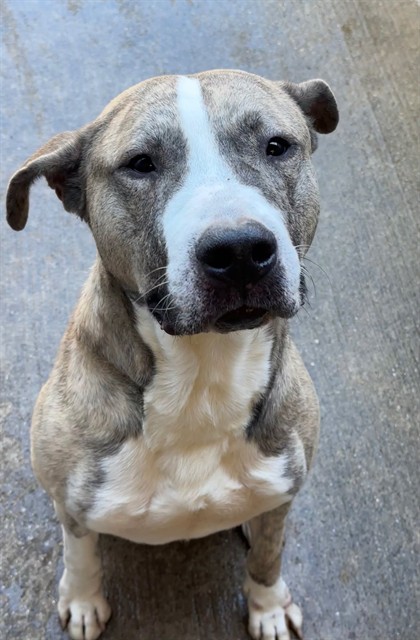
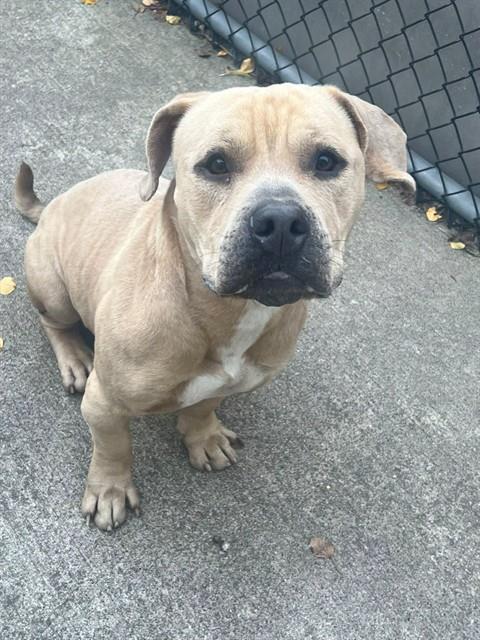
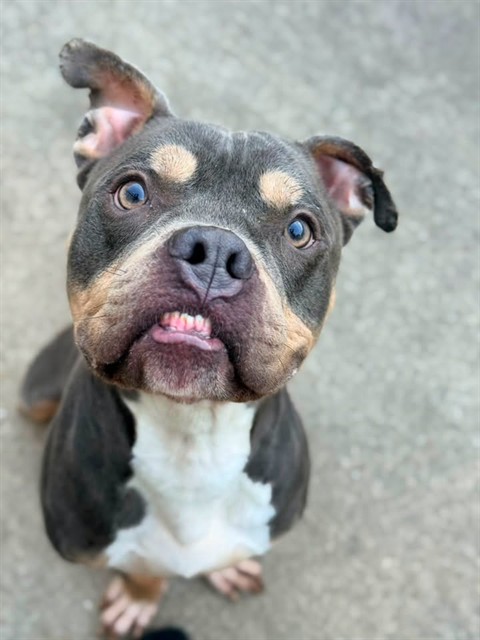
Dogs who are not reclaimed may later become available for adoption or leave CACC with a rescue partner. If you are looking to adopt, CACC is also a place to meet Chicago dogs who need homes.
Explore Nearby Neighborhoods
Continue exploring Chicago dog life with our Dog Guide to Pilsen, Dog Guide to Brighton Park and Dog Guide to Back of the Yards.