
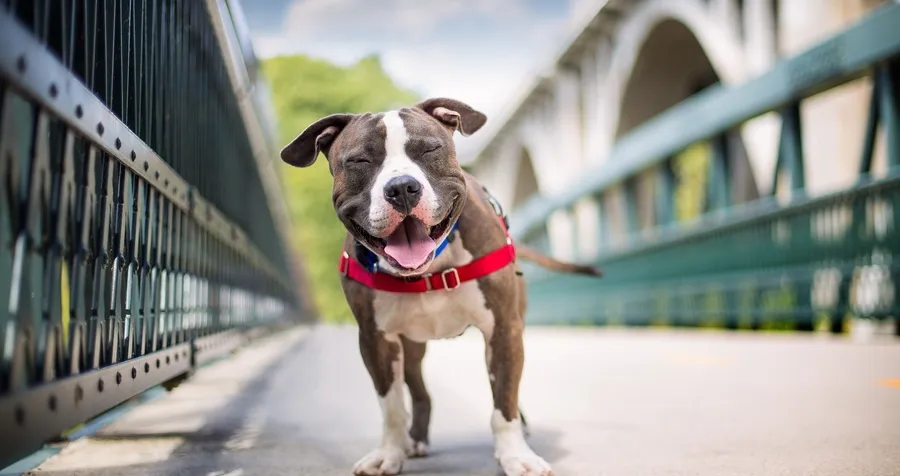
Is a Pit Bull Right for Your Home?
If you’re considering bringing a Pit Bull-type dog into your home, you’re probably drawn to their loyalty, affection, and people-focused personality. “Pit Bull” is often used as an umbrella term for several bully-type breeds and mixes, including American Pit Bull Terriers, American Staffordshire Terriers, and American Bulldogs. Because of that, compatibility can vary from dog to dog. Some are energetic and athletic, some are calm and cuddly, and many are a mix of both. As you think about adopting or fostering a Pit Bull-type dog, it helps to consider your daily routine, home environment, ability to provide structure, and comfort with a strong, affectionate dog who may need patient guidance.
Family Life and Socialization
Many Pit Bull-type dogs are deeply people-oriented and enjoy being close to their families. They are often affectionate, silly, and eager to be part of daily life. In the right home, they can be wonderful companions for adults, families, and responsible children. Because these dogs can be strong and enthusiastic, supervision and respectful handling are important, especially around young kids. Children should be taught not to climb on dogs, grab toys, disturb them while eating, or crowd them when they are resting.
Socialization also matters. A Pit Bull-type dog who has positive experiences with people, routines, handling, and new environments is more likely to feel confident and relaxed. Some dogs may greet strangers with excitement, while others need a slower introduction. Shelter and rescue staff can help you understand the individual dog’s personality, comfort level, and history. Instead of assuming all Pit Bull-type dogs are the same, it is best to focus on the specific dog in front of you.
Exercise and Daily Routine
Pit Bull-type dogs often do best with a predictable routine that includes exercise, enrichment, and time with their people. Many enjoy walks, training games, tug, fetch, food puzzles, or sniffing time outdoors. They do not always need extreme amounts of exercise, but they usually benefit from consistent activity and mental stimulation. A bored or under-exercised dog may become jumpy, mouthy, restless, or destructive, especially during the adjustment period after adoption.
These dogs can live successfully in apartments, condos, or houses as long as their needs are met. A fenced yard can be helpful, but it is not a replacement for walks, training, and interaction. In Chicago, adopters should also think about leash walking, elevator manners, busy sidewalks, cold weather, and building rules. Some landlords or insurance companies may have breed restrictions, so it is smart to check those details before bringing a dog home.
Other Dogs and Multi-Dog Homes
Other-dog compatibility is one of the most important things to consider with Pit Bull-type dogs. Some are very social with other dogs, some prefer a small circle of familiar dog friends, and some are happiest as the only pet. This does not make them bad dogs. It simply means introductions, expectations, and household setup matter. If you already have a dog, a careful meet-and-greet through the shelter or rescue is important before adoption.
Slow introductions can make a big difference. Many dogs do better when they meet on neutral ground, take parallel walks, and have time to settle before sharing toys, food, couches, or sleeping spaces. Dog parks are not the right fit for every Pit Bull-type dog, especially crowded parks with unknown dogs and unpredictable play styles. A dog who is selective with other dogs may still be a loving, loyal, well-behaved companion in the right home.
Training and Commitment
Pit Bull-type dogs are often smart, responsive, and eager to connect with their people. Positive, consistent training can help them learn house manners, leash skills, calm greetings, and confidence in new situations. Because many are strong and enthusiastic, training should focus on clear communication rather than punishment. Short daily practice sessions, reward-based methods, and predictable rules can help these dogs succeed.
Adopting or fostering a Pit Bull-type dog also means being prepared to advocate for them. These dogs are often misunderstood, so responsible ownership matters. That includes safe leash handling, proper introductions, regular veterinary care, enrichment, and patience during the adjustment period. Many newly adopted dogs need time to decompress and learn the rhythm of their new home. With structure, love, and realistic expectations, a Pit Bull-type dog can become a deeply loyal companion.
Adoption and Fostering Considerations
If you’re interested in adopting a Pit Bull-type dog, shelters and rescues can help you find a dog whose personality fits your lifestyle. Some dogs may be great candidates for active homes, while others may prefer a quieter routine. Some may be comfortable with children or other pets, while others may need an adult-only home or to be the only dog. The best match depends on the individual dog, not just the breed label.
Fostering can also be a meaningful way to help. Many Pit Bull-type dogs benefit from time outside the shelter, where their personality can shine in a home environment. Foster homes give dogs a break, help rescues learn more about their needs, and make it easier for future adopters to understand what kind of home will help them thrive. If you are ready to offer patience, structure, and affection, a Pit Bull-type dog may be a wonderful fit for your home.